9+ curated guides • Updated November 2025
It’s the viral trend that fills your feed: upload a selfie, and an app reveals your celebrity doppelgänger in seconds. But in the moment you're laughing about looking like Chris Pratt, your photo—a unique piece of your biometric identity—has been captured. We investigated what happens next, and the fine print in these apps' privacy policies is far more shocking than any celebrity match. This isn't just a game; it's a massive, unregulated data harvesting operation disguised as harmless fun, and you're the product.
Most people look at a cruise ship deck plan to find the pool. We look at it to find the peace. The location of your cabin isn't just about the view; it's about avoiding the hidden noise from crew areas, theaters, and late-night lounges that the cruise line never mentions. Think of the deck plan not as a simple map, but as a topographical chart of the ship's acoustic landscape. Your mission, should you choose to accept it, is to identify the serene valleys of tranquility and steer clear of the noisy mountain peaks of activity. This isn't about luck; it's about strategy. By learning to read the 'white space' and understanding vertical adjacencies, you can secure a cabin that becomes a true sanctuary, not just a place to sleep.
In an era of fleeting trends and fast fashion, we rarely consider if a new pair of socks or a scarf will outlive us. But what if a luxury accessory was designed not just for this season, but for the next generation? Maxhosa's intricate accessories challenge us to look beyond their price tag and see them for what they truly are: the beginning of a new family legacy, woven with the stories of a continent. This is not about acquiring another item for your wardrobe; it is about becoming the first custodian of an artifact. It’s a profound mental shift from consumer to curator, where a simple purchase becomes an act of cultural preservation and future storytelling.
In an era where our hands are perpetually glued to screens, endlessly scrolling and tapping, a classic accessory has returned with a quiet statement. The long sleeve glove, once a symbol of formal elegance, is re-emerging as the ultimate anti-tech accessory. This isn't just about looking chic; it's about choosing to be elegantly unavailable. It's a sartorial declaration that your attention is a precious commodity, not to be given away to the nearest glowing rectangle. By sheathing the very instruments of our digital addiction—our hands—we are performing a subtle but powerful act of reclaiming our presence in the physical world.
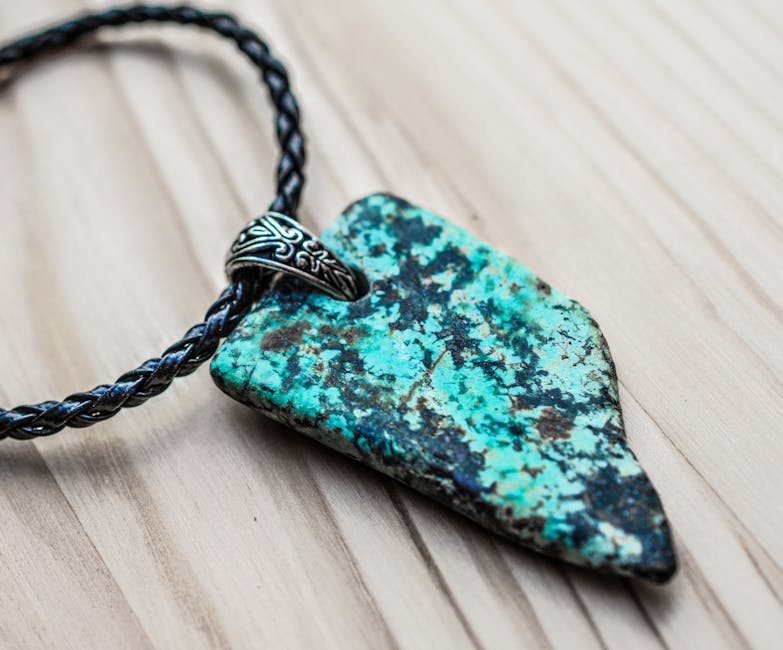
We choose jewelry to express who we are, but what if the piece itself already has a soul? A factory-made necklace is a silent object, but a handmade creation carries the echo of its maker's hands, heart, and intention. We're not just talking about aesthetics; we're talking about the invisible story that makes handmade jewelry more than an accessory—it's a connection. This is the transfer of spirit from creator to creation, a phenomenon that imbues a simple object with a history before it even meets its owner. It becomes a talisman, a piece of a person, a story forged in fire and silver.
You know the feeling: the glorious relief of walking into an air-conditioned building, quickly followed by the creeping chill that has you regretting your sundress. Before you reach for a bulky office cardigan, consider the elegant, whisper-light solution from Khaadi that solves the summer's most common style problem. We've been conditioned to see summer shawls as decorative afterthoughts, perhaps for an evening event. I'm here to argue that this is a fundamental misunderstanding of their power. The Khaadi summer shawl isn't just an accessory; it's an essential piece of personal equipment, a beautifully engineered tool for mastering the thermal whiplash of modern life. It's time to reframe it as your personal climate control system.
That 50% off email from Kendra Scott is the highlight of your birthday month, right? But while most people use it for a personal splurge, they're missing the bigger picture. This discount isn't just a treat; it's your secret weapon to master gift-giving for the entire year, saving you hundreds in the process. The amateur sees a chance to buy one necklace. The strategist sees an opportunity to secure high-value assets for every major occasion on the calendar. This isn't about impulsive shopping; it's a calculated move to elevate your gift-giving game while dramatically cutting costs. Prepare to shift your mindset from a one-time consumer to a long-term tactical planner.
Every Black Friday, Home Depot rolls out a sea of orange tags and 'Special Buys' designed to look like incredible deals. As a contractor who lives and dies by the quality of my tools, I can tell you most of it is junk. Forget the flashy combo kits and focus on what the pros are quietly stocking up on—this is the gear that will actually last. They want to lure you in with a five-tool combo kit for a price that seems too good to be true, and it is. Those tools are often older models with weaker motors and last-generation batteries. They're designed for the homeowner who might use a drill twice a year to hang a picture. My tools run eight to ten hours a day. They get dropped, covered in drywall dust, and pushed to their limits. The stuff in those doorbuster kits would last my crew about a week. This guide isn't about finding the cheapest thing; it's about finding the best value that won't fail you when you need it most.
Imagine a personality type practically engineered for the stage: intensely charismatic, empathetic, uninhibited, and with a natural gift for music. This describes many individuals with Williams syndrome, yet you'll struggle to find them headlining movies or topping the charts. This article investigates the compelling paradox of why these 'natural-born celebrities' remain largely outside the spotlight. This isn't a story about limitations, but about a profound mismatch between a unique set of human gifts and the rigid machinery of modern fame. We will move beyond the surface-level discussion of the condition to dissect the cultural and industrial architecture that decides who gets a platform and who remains in the wings. By understanding this paradox, we reveal more about our society's narrow definition of success than we do about Williams syndrome itself.